
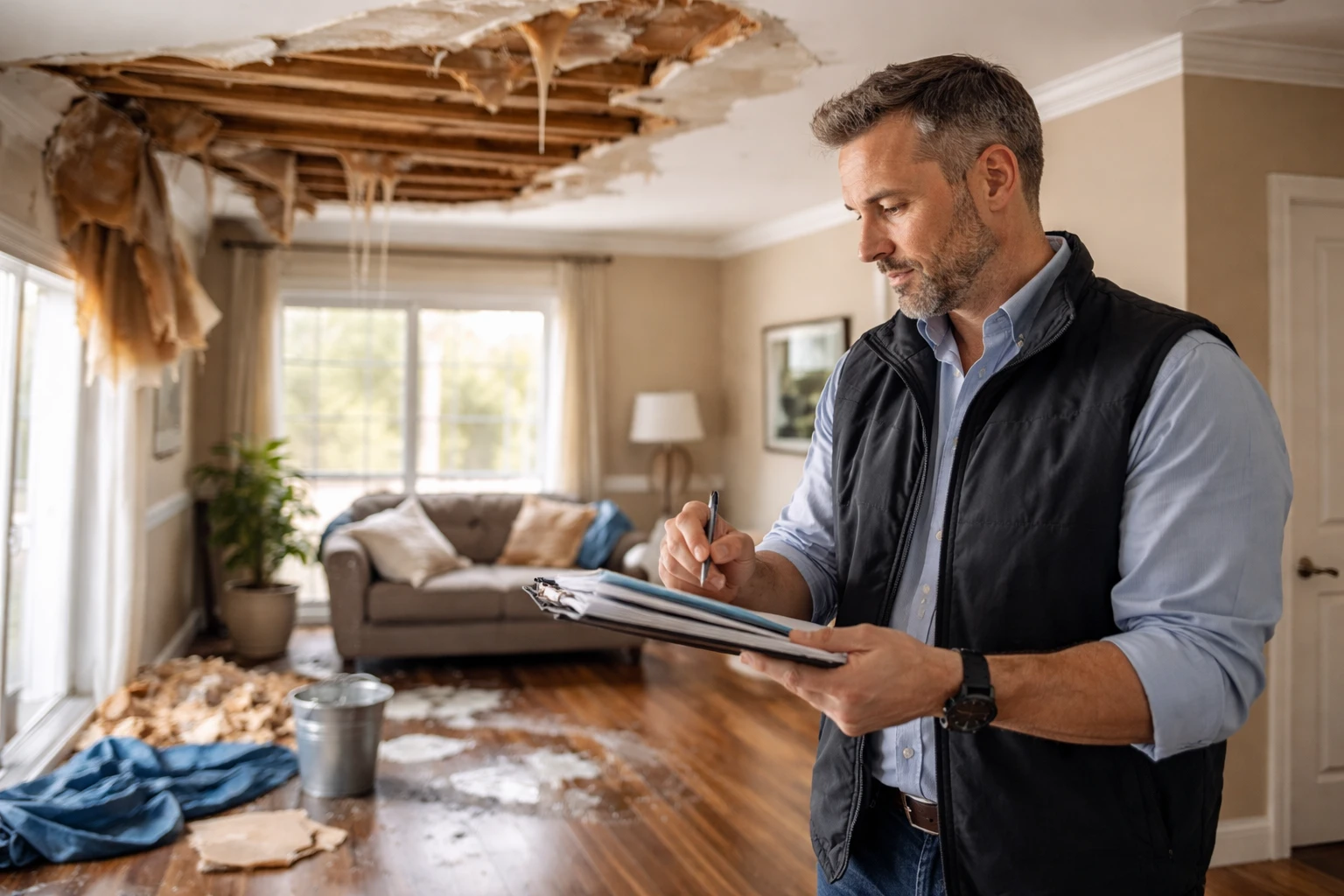
A pipe bursts. A storm rolls through. Smoke stains your ceiling. In that moment, you’re not thinking about paperwork—you’re thinking about damage, stress, and how fast you can recover. But here’s the truth: when to call a public adjuster can quietly determine how much money you receive, how smooth the process feels, and how quickly your life gets back on track.
I’ve seen homeowners wait too long. I’ve seen others act fast and come out ahead. Timing isn’t just important—it’s everything!
This guide breaks it down clearly, specifically for Cedar Park homeowners who want to protect their property and avoid costly mistakes.
What Does a Public Adjuster Actually Do?
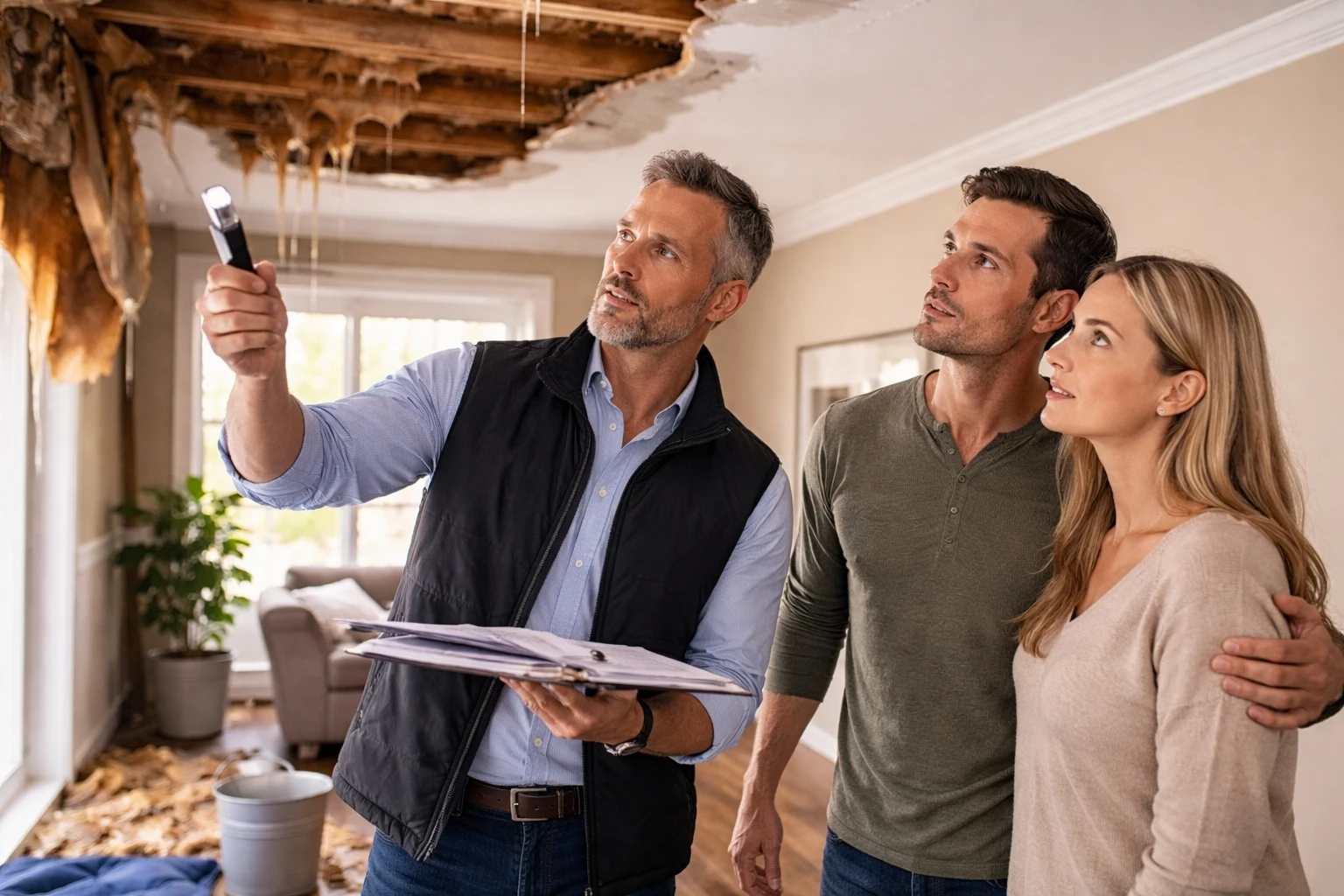
Let’s keep this simple.
A public adjuster works for you—not the insurance company. That alone changes the entire dynamic.
Here’s what they handle:
- Inspecting and documenting property damage
- Interpreting your insurance policy (line by line)
- Estimating repair costs accurately
- Managing communication with your insurer
- Negotiating for a fair settlement
Quick Comparison
| Role | Who They Work For | Goal |
| Insurance Adjuster | Insurance company | Minimize payout |
| Contractor | You (repairs only) | Fix damage |
| Public Adjuster | You | Maximize claim payout |
That difference matters. A lot.
Why Timing Matters More Than You Think
Let’s get real for a second.
Insurance companies start evaluating your claim immediately. From day one, they’re building a file. If your documentation is incomplete or your damage is underestimated early on, it can follow your claim all the way to the final payout.
And once you accept a settlement? It’s often game over.
This is why understanding when to call a public adjuster is so critical. Call too late, and your leverage drops. Call early, and you control the narrative.
The Short Answer: When to Call a Public Adjuster
Here it is. Straight to the point.
Call a public adjuster right after property damage occurs—but before you accept any settlement.
That’s the sweet spot.
Even better timing:
- After filing a claim but before the insurance inspection
- When damage is clearly more than minor
- When you feel unsure about next steps
The earlier you bring in expertise, the stronger your position becomes.
7 Clear Signs You Should Call a Public Adjuster
Sometimes it’s obvious. Other times, not so much. These signs make the decision easier.
1. You Have Major Property Damage
If your home has fire damage, roof damage, flooding, or structural issues, this isn’t the time to “figure it out yourself.”
2. Your Insurance Offer Feels Too Low
If something feels off, it probably is. Initial offers are often conservative.
3. Your Claim Was Delayed or Denied
Delays and denials are not uncommon. But they shouldn’t be ignored.
4. You Don’t Fully Understand Your Policy
Let’s be honest—most policies are confusing. That confusion can cost you money.
5. You’re Overwhelmed
You have a life. A job. A family. Managing a claim is practically a second job.
6. There’s Hidden Damage
Water behind walls. Mold. Structural stress. These aren’t always visible at first.
7. The Insurance Company Is Pushing Back
Too many questions. Too many requests. Slow responses. These are warning signs.
If even one of these applies, it’s time to seriously consider when to call a public adjuster—and the answer is probably “now.”
When NOT to Call a Public Adjuster
Let’s stay balanced.
There are situations where hiring a public adjuster may not make sense:
- Minor damage with small repair costs
- Claims already settled fairly and transparently
- Situations where fees outweigh potential gains
The goal isn’t just to hire help—it’s to hire help when it actually benefits you.
Cedar Park-Specific Risks Homeowners Should Know
Cedar Park isn’t immune to risk. In fact, local conditions make timing even more important.
Here’s what homeowners face:
- Hailstorms that damage roofs without obvious signs
- Flash flooding that seeps into foundations and walls
- Extreme heat that weakens roofing materials over time
- Rapid development increasing property values—and claim complexity
These local factors directly impact when to call a public adjuster. Damage here isn’t always straightforward. And missing early signs can cost thousands.
What Happens If You Wait Too Long?
This is where things get painful.
Waiting can lead to:
- Missed documentation of early damage
- Deadlines you didn’t know existed
- Reduced negotiating power
- Settlements that don’t cover full repairs
The Reality
| Action | Outcome |
| Call early | Strong claim, better payout |
| Wait too long | Weak claim, limited options |
Once a claim is settled, reopening it is extremely difficult. Timing matters more than most people expect.
A Real-World Scenario in Cedar Park
Let me paint a quick picture.
A Cedar Park homeowner experiences a roof leak after a storm. It seems minor. They file a claim and accept a quick settlement.
Weeks later, they discover water damage inside the walls. Mold starts forming. Repairs skyrocket.
Now they try to revisit the claim—but it’s already closed.
Compare that to a homeowner who calls a public adjuster early. The adjuster identifies hidden damage immediately, documents everything, and negotiates a higher settlement upfront.
Same storm. Very different outcomes.
How a Public Adjuster Maximizes Your Claim
This is where the value really shows up.
A public adjuster doesn’t just “help”—they build your case strategically.
Key Advantages
- Thorough documentation (photos, reports, evidence)
- Accurate repair estimates based on real costs
- Deep understanding of policy coverage
- Strong negotiation backed by data
Think of it like this: they turn your claim into a well-prepared argument. Not a guess.
And that’s why knowing when to call a public adjuster can directly impact your payout.
Step-by-Step: What to Do After Property Damage
When damage happens, emotions run high. Having a clear plan helps.
Follow These Steps
- Ensure safety first
Get everyone out of harm’s way - Document everything immediately
Photos, videos, timestamps—capture it all - Prevent further damage
Temporary fixes like tarps or shutting off water - Notify your insurance company
Start the claim process - Call a public adjuster early
This step is often skipped—but shouldn’t be - Avoid signing anything too quickly
Review everything carefully
Simple steps. Big impact.
How to Choose the Right Public Adjuster in Cedar Park
Not all adjusters are equal. Choosing the right one matters.
What to Look For
- Proper licensing in Texas
- Local experience in Cedar Park
- Transparent fee structure (usually contingency-based)
- Strong reviews and testimonials
Questions to Ask
- How many claims like mine have you handled?
- What’s your typical payout improvement?
- How do you communicate during the process?
You want someone who’s responsive, experienced, and on your side.
Common Mistakes Homeowners Make
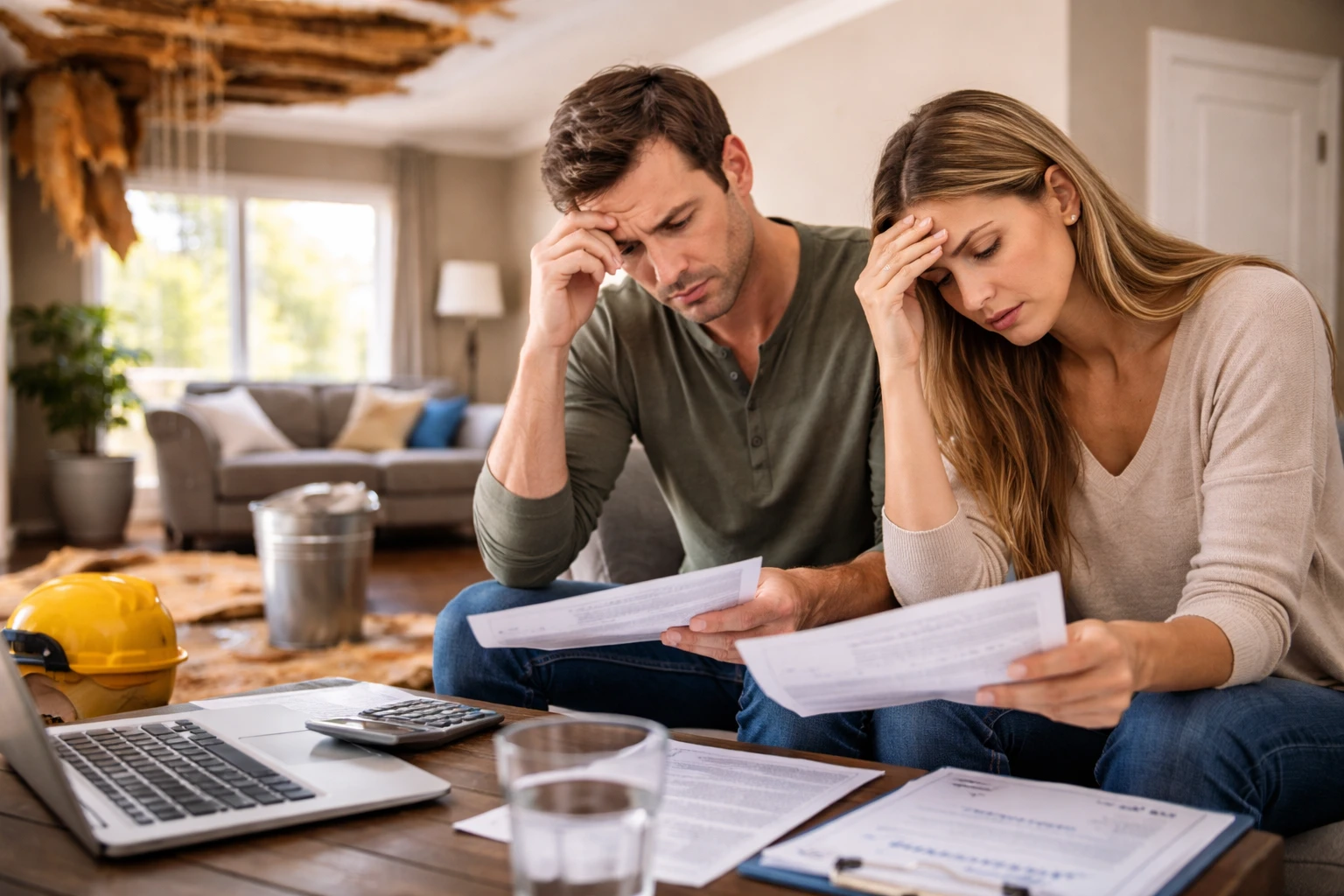
Let’s call these out clearly.
- Waiting too long to get professional help
- Accepting the first settlement offer
- Failing to document damage properly
- Misunderstanding policy coverage
- Assuming the insurance company will handle everything fairly
These mistakes are avoidable. And avoiding them starts with knowing when to call a public adjuster.
Key Takeaways: When to Call a Public Adjuster
Let’s bring it all together.
- Call early—ideally right after damage occurs
- Don’t wait until problems escalate
- Use expert help for large or complex claims
- Timing directly affects your payout
If you remember one thing, make it this:
The sooner you act, the more control you have.
Conclusion
Property damage is stressful. There’s no way around that.
But the claims process doesn’t have to be overwhelming. You have options. You have leverage. And most importantly, you have timing on your side—if you use it wisely.
Knowing when to call a public adjuster isn’t just about convenience. It’s about protecting your investment, your home, and your financial future.
Act early. Stay informed. And make decisions that work in your favor!
FAQs
The best time is immediately after property damage occurs, before accepting any insurance settlement.
Yes, you can bring one in at any stage, but earlier involvement usually leads to better results.
If the damage is significant, complex, or disputed, a public adjuster can help you secure a fair payout.
Claims involving fire, water, storm, or major structural damage often benefit the most.
In many cases, yes—they help ensure all damages are properly documented and negotiated.
You should call as early as possible to avoid mistakes and strengthen your claim from the start.
Yes, they handle documentation, communication, and negotiation so you don’t have to manage everything yourself.
You may lose valuable evidence, miss deadlines, or end up with a lower settlement.
Yes, they often coordinate with contractors to ensure repair estimates are accurate and complete.
Most work on a contingency basis, meaning they only get paid a percentage of your final settlement.